Sunday, July 31, 2011

Possible Street Artists to research for your debate

In your discussion and debate you must reference at least one artist (2 artworks by that artist).
Possible artists and places to start searching for commentaries are:
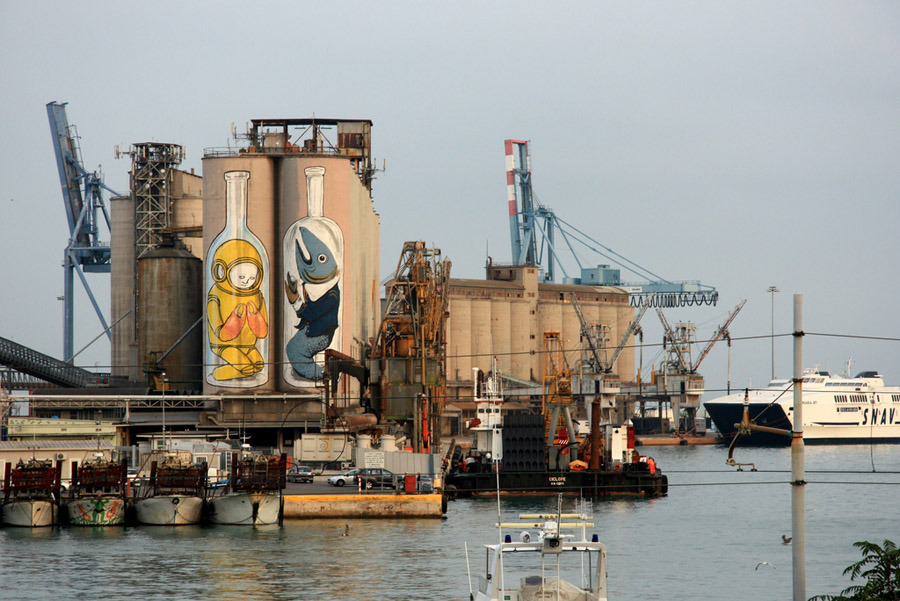
Tate exhibition of street art (2008)

Face 2 Face Palestine project
TEDS award
Women Project
Inside OUT Project, Centre Pompidou


Banksy
Art in the streets, MOCA (2011)
Gaza wall (Palestine) 2005

Metro Gallery (2011)
Art in the streets, MOCA (2011)
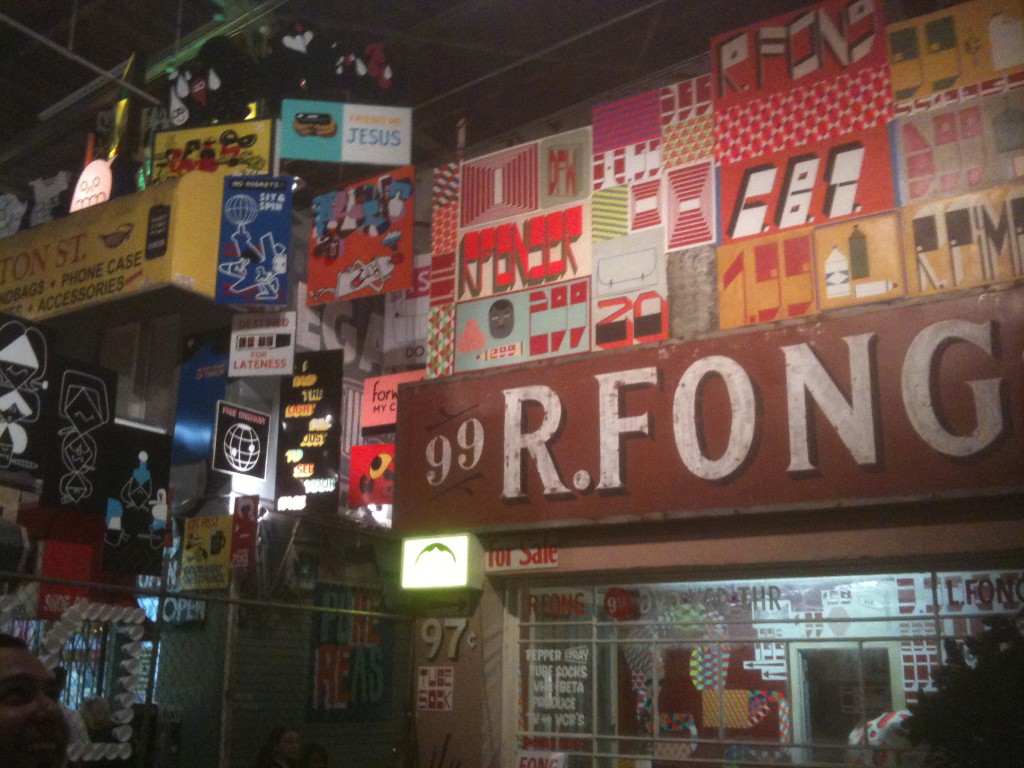
Street Market Exhibition 2011 in “Art in the Streets”
“The stars were aligned”, Metro Meat Market, Melbourne (2004)

Art in the streets (2011)
Vertigem (2010)
Tate “Street Art show (2008)


Gaia
Irvine contemporary (2010)
Street work (2011-2007)


Keith Haring

Faile

Obey – Shepard Fairey

Tuesday, July 19, 2011

Street Art vs the Museum/Gallery

Banksy
With the "Space Invaders" exhibition last year at the NGA in Canberra, the recent "Art in the Streets"  at MOCA in L.A, the "Street Art" show at the TATE Modern in London (2008) and the recent opening of the NGV Studio in Melbourne, it seems that street art has really been embraced by the institutions of the art world like never before in history. This provides a really interesting context for debate as to whether street art really belongs in or needs the sanction of the hallowed grounds of the art institutions. Whether you are a hardcore graffiti purist or a high art academic, there is one thing for certain....Street Art has taken the  global contemporary art scene by storm. We need to consider this in depth and look at how this came to be. What implications does it have for the future of street art as well as the cultural institution of the museum and the gallery?

Along with the photocopied articles I gave you to read, these are the links to the other sites:


Sunday, June 26, 2011

Styles in Art History

Stylistic qualities are the visual (formal) qualities of an artwork that relate to an art movement. They can also comprise the personal visual language of an artist.

Each artistic movement in history has a group of common stylistic qualities which artists have collaborated to innovate. Certain artists may have also individually adapted or cannibalised such stylistic qualities in exploring their own personal vision of art. Each art movement is a chain reaction against the previous period. For example, Fauvism (1905) was a movement that celebrated the use of heightened, unrealistic colours which the Expressionists reacted to and transformed into a highly emotionally charged, symbolic application of raw colour. This interest in human psychology was influenced by the theories of Freud and the subconscious.

When you are asked to compare or discuss stylistic qualities:
   
1. You must connect the formal qualities to the term (art movement/style) which the work/s relate to
        2. Go into detail describing these qualities
      

Tuesday, March 22, 2011

Swoon


 For anyone who missed the Swoon show at Metro this is a little peak

Monday, March 21, 2011

Wangechi Mutu

Wangechi Mutu's work boldly explores the contradictions of female and cultural identity, drawing the viewer into conversations about beauty, consumerism, colonialism, race, and gender. Her representations of the human form are disturbing and transfixing, at once utterly complex and strikingly direct.

Anthony Lister

Anthony Lister talks about the cultural and personal influences that inspired his work from 2006.

Sunday, March 20, 2011

Shape

The shapes are mostly curvaceous which imply the female form. The use of some angular shapes such as in the knees add an element of futuristic stylisation but mostly the shapes are simplified to create a smooth flowing sense of form.